The seams did not run out — the market did
The mines of the Arkansas River valley did not close because there was nothing left to dig. The semi-anthracite seams still carry coal — the Arkansas Geological Survey has confirmed workable reserves in Sebastian and Le Flore counties that were never extracted. What ended underground mining here was a sequence of economic displacements, each one narrowing the market for a product that had once seemed indispensable.
The first and most decisive blow came from fuel oil and natural gas. Through the 1920s, American railroads — the coalfield's largest customers — began converting their locomotive fleets from coal to oil firing. The Frisco and the Kansas City Southern, the two roads that had made the valley's coal worth moving at all, were simultaneously the roads that stopped needing it. A fuel that could be piped to a tender without a crew of trimmers, that burned at a controllable rate and left no clinker, was simply a better industrial input. By the time the Depression arrived in 1929, the railroads' conversion was already well advanced, and the orders that had sustained Hartford, Huntington, Mansfield and Bonanza were shrinking fast.
Natural gas followed a parallel path into domestic heating and industrial process heat. Coal had warmed the households and factories that lined the river valley and the towns beyond. As gas distribution networks reached those customers through the 1930s and 1940s, a second category of demand evaporated. The coal was not outcompeted on quality — semi-anthracite burns hotter and cleaner than most American coals — but quality is irrelevant once the buyer has switched fuels entirely.
What the local operators could not absorb was then finished by geography. The Choctaw Nation lands in eastern Oklahoma and Indian Territory had sat atop the same seam system, and the mines there faced the same pressures. But elsewhere, in Wyoming's Powder River Basin and in the strip-mined fields of eastern Kentucky and southern Illinois, operators were pulling coal from thick, near-surface seams with machinery that made Arkansas's thin underground workings look like artisanal production. Strip mining, which required far less labor per ton than the hand-loading methods still common in the valley's narrow seams, undercut the cost basis on which Sebastian County coal had competed. When there was a market left to contest, it went to the cheapest ton, and that ton was not coming from a drift mine on the Boston Mountain flank.
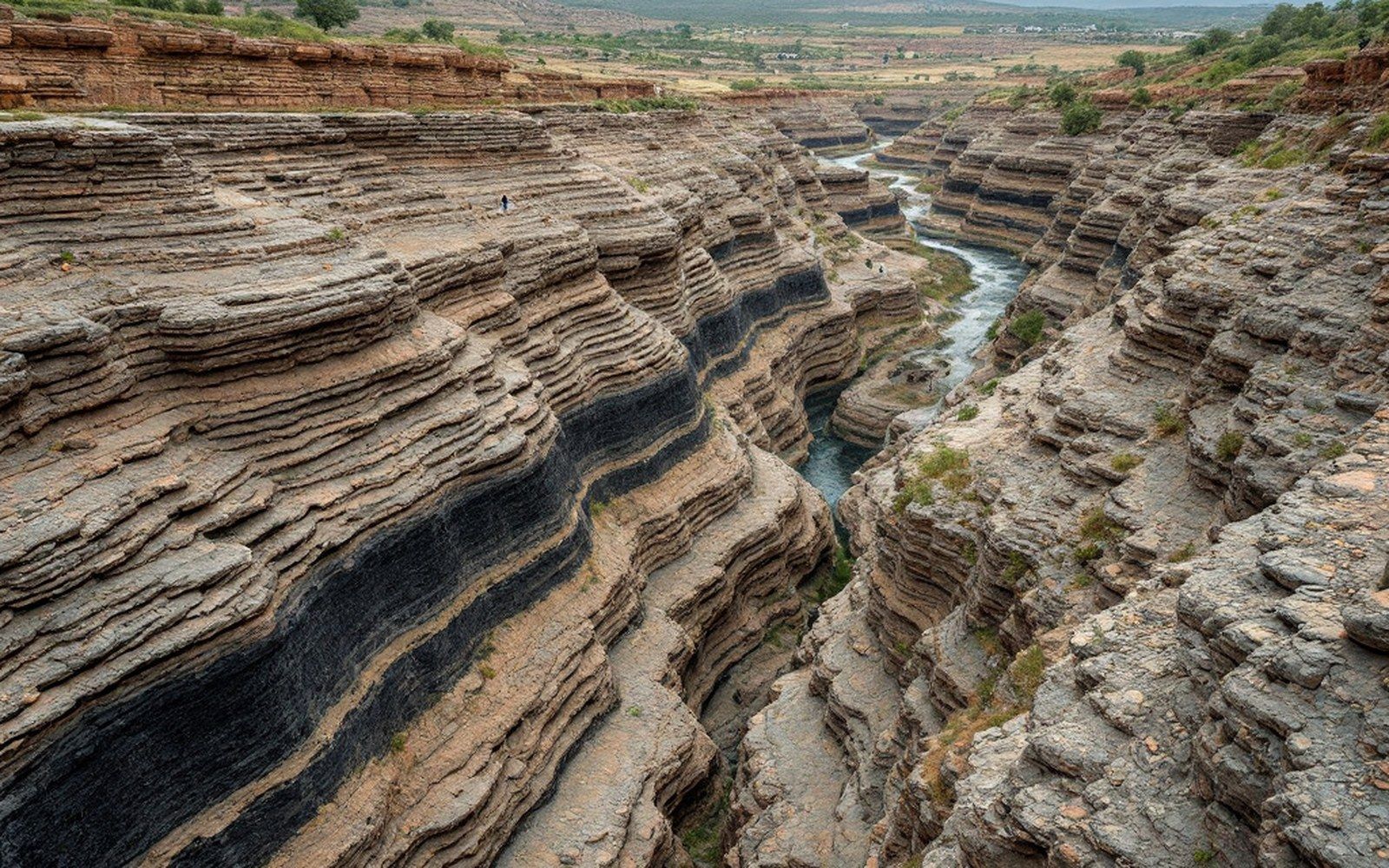
Labor costs were bound up in the seam geometry. The coal measures here, as the Arkansas Geological Survey has documented, typically run in seams between eighteen inches and four feet thick — too thin, in most cases, for mechanized longwall mining to operate efficiently. Operators who might otherwise have invested in cutting and loading machinery found that the seam dimensions made the economics marginal even at favorable coal prices. When prices were not favorable, as they were not for most of the period between 1925 and 1950, mechanization could not rescue the business case.
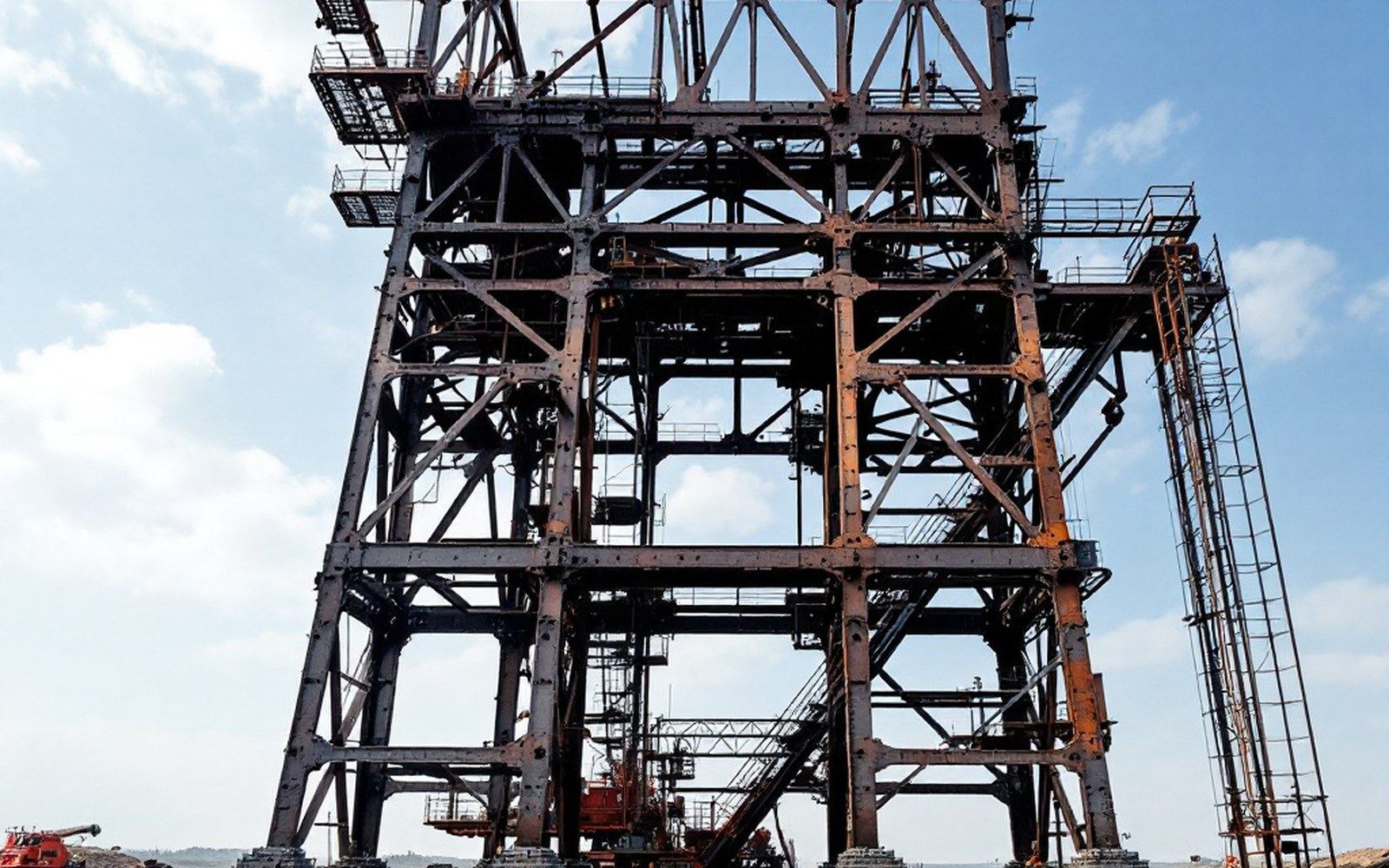
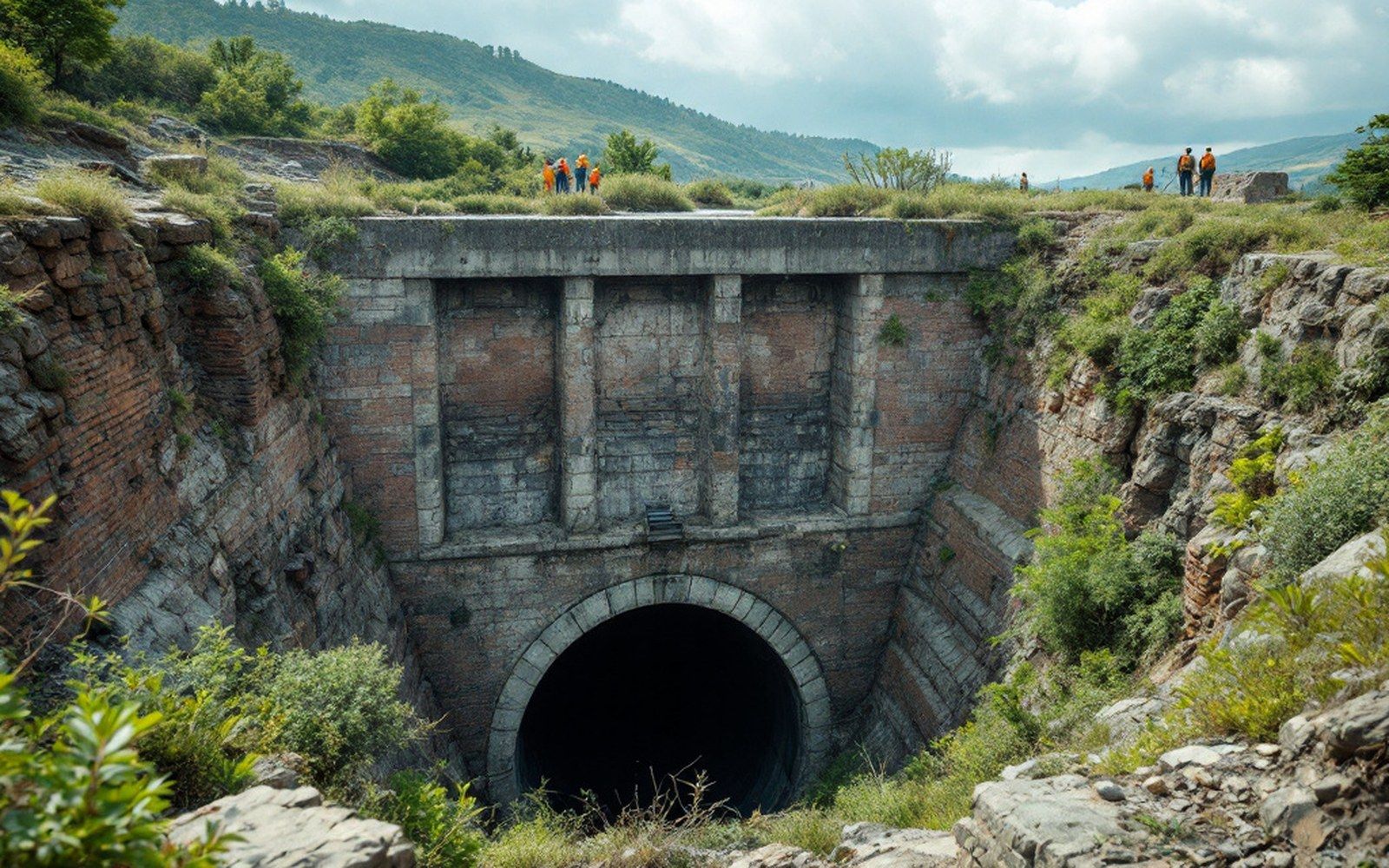
The last commercial underground operations in the Sebastian County field closed by the early 1950s, though some small-scale workings persisted into the 1960s. What remained afterward was a landscape shaped by extraction: the subsided ground, the culm banks — waste rock and slack piled at the surface — the company street grids at Mansfield and Hartford, the concrete footings where tipples and headframes had stood. The work underground had been punishing and dangerous, and the accident record at these mines is not short. But the closure was not a relief for the communities that depended on the wages; it was a slow economic deflation that has never been fully reversed.